- support@dalhangyanmancs.res.in



Irrigation Management
Irrigation
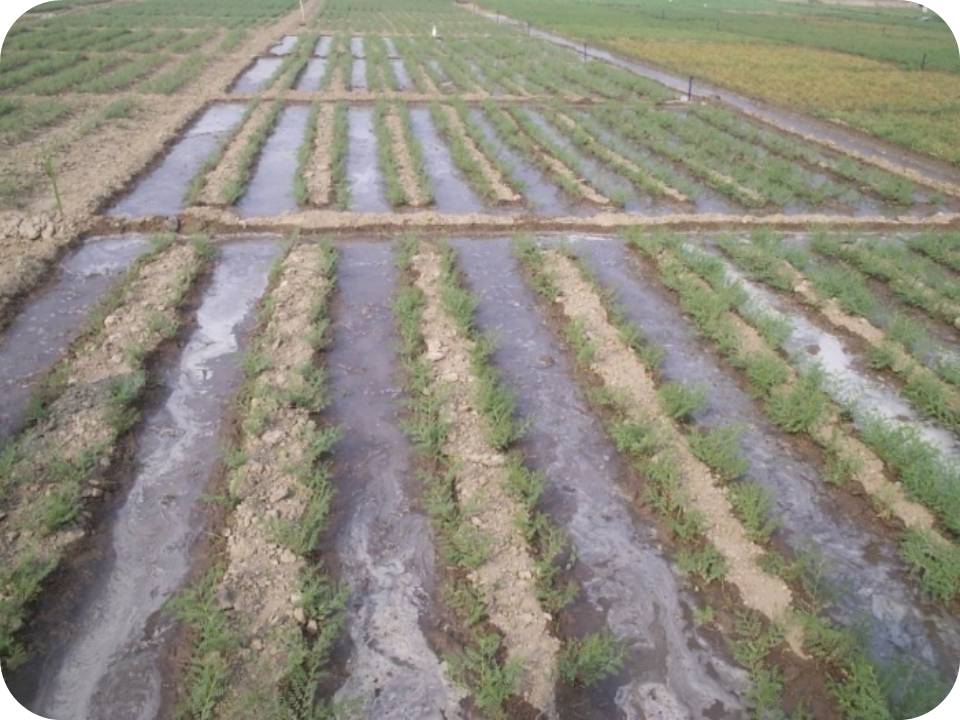
Chickpea is mainly cultivated under rainfed conditions in India, whrerein the crop is grown on residual soil moisture. In case of low soil moisture, pre-sowing irrigation is important for maintaining proper plant population and growth. In case, irrigation facility is available, irrigation should be provided at pre-flowering or pod formation stage which can increase the productivity substantially. In northern India, one irrigation at flower initiation stage (60-65 DAS) is sufficient, however, in light soils 2 irrigations, first at 45-55 DAS i.e., at branching stage and second at pod filling stage should be given. It is important to note that in case of winter rains, second irrigation should not be given as it can lead to excessive vegetative growth and adversely affect the grain yield. Similarly, irrigation at flowering stage leads to flower drop. Light irrigation (4-5 cm) through sprinkler is recommended for chickpea crop. Excess irrigation hampers the nitrogen fixation process and growth of the plants. In heavy rainfall areas, proper drainage of chickpea fields is needed or raised bed (FIRB) method of sowing should be followed to avoid crop loss due to water logging.