- support@dalhangyanmancs.res.in


Importance of Chickpea in Indian Diet and its Nutritional Value
Importance of chickpea in Indian diets
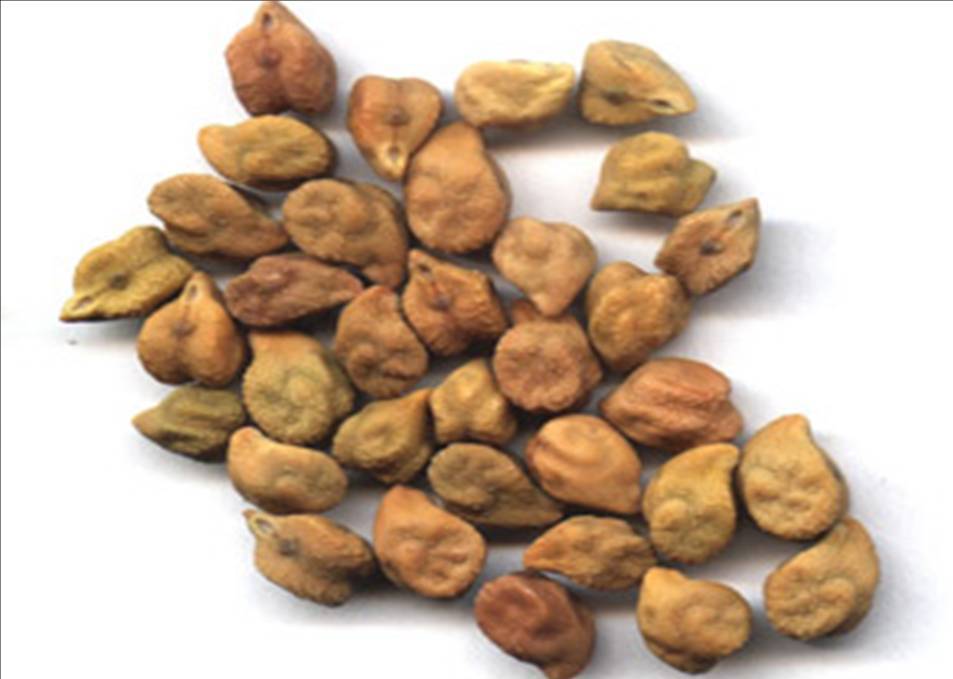
In India, chickpea holds a special significance as an important protein source in diets of vegetarian people. In addtion, the crop has important role in sustainable agriculture. Chickpea is consumsed in many forms in Indian diets. The new green leaves are used as green vegatables while green seeds are used as salad and vegetable.The mature grains in split form are used as dal and roasted chickpea grains are consumed as snacks. Chickpea flour is used for preparation of many Indian snacks and sweets. The leaves of chickpea are also used as green fodder for dairy animals.
Nutritive value of chickpea
Chickpea grains are good source of protein and carbohydrate. Chickpea grians contain all essential amino acids in abundance except sulphur-containing amino acids. Starch is the major storage carbohydrate followed by dietary fibre, oligosaccharides and simple sugars such as glucose and sucrose. Although lipids are present in low amounts, chickpea is rich in nutritionally important unsaturated fatty acids such as linoleic and oleic acids. Calcium, magnesium, phosphorus and potash are also found in gram grains. Chickpea is also a good source of some important vitamins such as riboflavin, niacin, thiamine, folate, vitamin A. Sprouted gram contains vitamin C, vitamin E and iron, which are beneficial to health.
Table: Nutrients available in 100 grams of dry grains of chickpea
|
Protein |
17-22% |
|
Carbohydrate |
63% |
|
Fat |
4.5% |
|
Calcium |
110 |
|
Phosphorus |
880 |
|
Potassium |
390 |
|
Iron |
6 |